
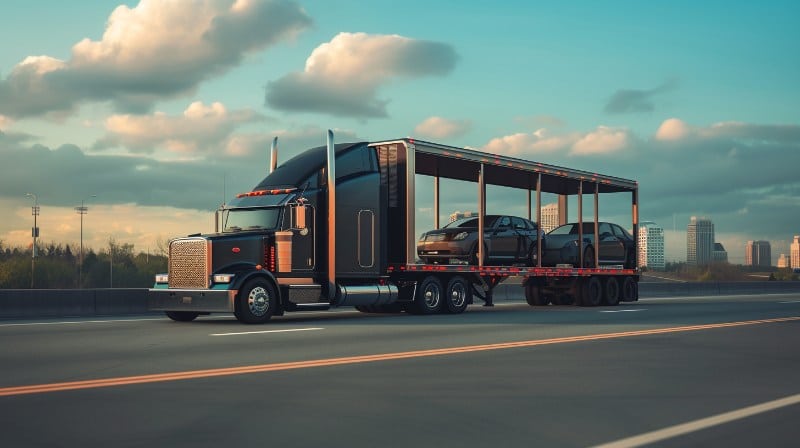
The future of cross-border auto transport between the USA and Canada is taking shape now. Digital customs filings, online booking, smarter route planning, cleaner trucks and the rise of electric vehicles are all changing how cars are shipped across the border.
US Canada Auto Transport has been shipping vehicles between the two countries since 1985. In this guide, we look at the key innovations and trends reshaping cross-border car shipping and what they mean for your next move.
Innovations Transforming Cross-Border Auto Transport
Digital Customs and Paperless Border Filings
Border paperwork is the part of cross-border shipping that is changing fastest. More of the process now happens electronically before the truck reaches the border:
- Electronic manifests: Carriers file e-manifests through ACE when entering the US and ACI when entering Canada, so customs has the shipment details in advance.
- Electronic export filing: Every used vehicle leaving the US needs an AES filing, which produces an Internal Transaction Number (ITN).
- Digital import accounting: Canada’s CARM system is moving import accounting and payments online for brokers and importers.
Paper still matters, though. The original title must reach US Customs 72 hours before export, so knowing the customs documents for shipping a car across the border early remains the best way to avoid delays.
Vehicle Tracking and Shipment Updates
Across the industry, GPS, telematics and mobile apps are giving customers more visibility into where their vehicle is. Some carriers now offer live location updates, and that trend will likely grow.
Visibility does not have to mean an app, though. What customers value most is knowing when pickup happens, when the vehicle clears the border and when delivery is coming. At US Canada Auto Transport, we keep you updated throughout.
Better Loading and Handling Equipment
Full robotic loading is still mostly found at factories and ports, not on car carriers. The real progress on the road is in the equipment:
- Hydraulic decks and ramps: Adjustable decks make it easier to load low, long or heavy vehicles.
- Soft tie-downs: Wheel straps hold the car by the tires instead of the frame, which reduces the risk of damage.
- Photo inspection reports: Condition reports with photos at pickup and delivery make any claim faster and clearer.
Sustainable and Eco-Friendly Transport Solutions
The auto transport industry is under growing pressure to cut emissions:
- Electric and hybrid trucks: Electric trucks are being tested, mostly on shorter regional routes. Long cross-border runs still rely mainly on diesel for now.
- Fuel-efficient equipment: Newer engines, aerodynamic trailers and lower idling all reduce fuel use.
- Full loads: Moving several cars on one carrier uses far less fuel per vehicle than driving each one, one of the environmental benefits of professional auto transport across the border.
Enhanced Security Measures

Security keeps improving as well. Enclosed trailers protect high-value and classic cars from weather, road salt and prying eyes, and cameras and better locks are becoming common on carriers.
Blockchain is also being explored for shipping documents to reduce fraud, though it is not widely used yet. For now, a licensed carrier, a clear inspection report and cargo insurance are what keep your car secure in cross-border shipping.
Trends Shaping the Future of Auto Transport
Digital Platforms and Online Booking
Customers now expect to request a quote, book and pay online. Online quote forms, e-signatures and digital payment options make cross-border shipping faster to arrange, especially for people planning a move from another city or country.
Customization and Flexible Service Options
Shipping is becoming more flexible to fit different needs:
- Service choices: Open or enclosed carriers, door-to-door or terminal drop-off, depending on budget and vehicle value.
- Flexible scheduling: More pickup and delivery options to fit relocations, snowbird seasons and car purchases.
- Specialized handling: Options for classic, exotic, inoperable and electric vehicles.
Advanced Data Analytics and Route Planning
Data is helping carriers plan better routes, fill trucks more efficiently and time border crossings to avoid long waits. AI route optimization in auto logistics is one of the clearest examples of where planning tools are heading.
More Electric Vehicles Crossing the Border
As more drivers switch to EVs, carriers are adapting their loading and handling for heavier vehicles with large batteries. EVs ship at about a third to half charge and follow the same import rules as gas vehicles, and EV cross-border transport is changing the industry in other ways too.
Trade Policy and Tariffs
Trade policy is now one of the biggest factors in cross-border car shipping. Tariffs, surtaxes and trade agreement rules can change what it costs to bring a car into either country, so it pays to check the current US-Canada vehicle tariffs before you buy or ship.
How US Canada Auto Transport Is Adapting

We focus on the changes that make cross-border shipping simpler and safer for our customers:
- Paperwork help: We help with the export and import paperwork, and the ITN filing is free when you ship with us.
- Cross-border terminals: Eight cross-border terminals in the US and Canada for flexible drop-off and pickup.
- Open and enclosed options: Open carriers for everyday cars and enclosed carriers for classic and high-value vehicles.
- Cargo insurance: Every shipment includes cargo insurance coverage.
- Updates throughout: We keep you updated throughout, from pickup to delivery.
Many of these changes build on the technology already improving cross-border auto shipping today.
What the Future Means for Your Next Shipment
The future of cross-border auto transport points to faster paperwork, more flexible service and cleaner trucks. The basics still apply: gather your documents early, get the title to US Customs 72 hours before export, remove personal items and book a few weeks ahead.
If you are ready to move a vehicle now, the steps for shipping a car from Canada to the USA and vice versa are the place to start.
Frequently Asked Questions
What is the future of cross-border auto transport between the USA and Canada?
It is moving toward paperless customs filings, more online quoting and booking, smarter route planning, cleaner trucks and more electric vehicles on carriers. Trade policy and tariffs will also keep shaping costs and paperwork on both sides of the border.
Will customs paperwork for shipping a car across the border get easier?
More of it is going digital. Carriers already file electronic manifests through ACE in the US and ACI in Canada, and US exports are filed electronically to get an ITN. You still need the original title at US Customs 72 hours before export, so planning ahead still matters.
Are electric trucks used to ship cars between the USA and Canada?
Electric trucks are being tested in the industry, mostly on shorter regional routes. Long cross-border runs still rely mainly on diesel carriers, which is why full loads and efficient routing matter for both cost and emissions.
Can I track my car during a cross-border shipment?
Some companies offer GPS tracking apps. US Canada Auto Transport does not use a tracking app. We keep you updated throughout, from pickup and the border crossing to delivery.
Do new trends change how far ahead I should book?
Not much. Booking a few weeks ahead is still best, and 4 to 8 weeks ahead in peak season, which runs October to December southbound and March to May northbound.
Ship Your Car Across the Border With Confidence
Get a free quote from US Canada Auto Transport. We help with the
paperwork and keep you updated throughout, from pickup to delivery.