
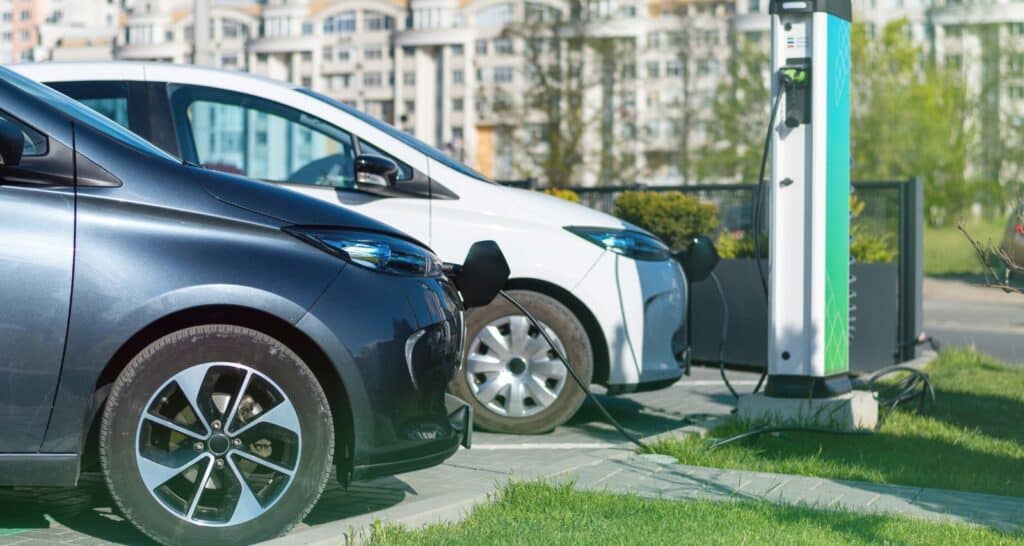
Shipping electric vehicles between USA and Canada works much like shipping any car, with a few important differences: charge level, weight, transport mode and charging plans at each end. The border rules are the same as for gas vehicles, so the import paperwork still matters.
Below, EV owners will find how to prepare, document and ship an electric vehicle across the border. The industry is changing too, with heavier vehicles and new handling needs reshaping EV cross-border transport. US Canada Auto Transport has been shipping vehicles across the border since 1985.
Understanding the EV shipping process
What’s involved in shipping an EV?
- Preparation: Set the right charge level, remove cables and accessories and note any battery warnings.
- Documentation: Gather the title, registration and the export and import forms for your direction.
- Inspection: The driver records the car’s condition at pickup and delivery.
- Transport: Choose open or enclosed transport.
- Delivery: Plan to charge the car soon after it arrives.
Choosing the right transport method
Open transport is the most cost-effective option and is safe for most EVs. Enclosed transport gives added protection for higher-value EVs and typically costs 30–60% more, as this open vs. enclosed cost comparison shows.
Key considerations for shipping electric vehicles between USA and Canada

Regulatory and legal requirements
- Into Canada: Under Canada’s vehicle import rules, the EV must be on Transport Canada’s admissibility list and have a recall clearance letter. EVs under 15 years old go through the RIV program, with an inspection within 45 days.
- Into the US: Most Canadian-market vehicles, including EVs, need a letter of compliance from the manufacturer, plus CBP Form 7501, EPA Form 3520-1 and DOT Form HS-7.
- Duty and taxes: Duty depends mainly on where the EV was built and its age, just like any other car. Going into Canada, you also pay 5% GST.
Documentation required
- Title and registration: Proof of ownership. For an EV leaving the US, the export is filed in AES and the original title must reach US Customs at least 72 hours before the crossing.
- Bill of sale: For a recent purchase.
- Lien or lease letter: If the EV is financed or leased.
- Import forms: The forms for the country the EV is entering.
Preparing your EV for transport
- Charge level: Leave the battery partly charged, often around a third to half, so it can be driven on and off the carrier.
- Transport mode: Know how to put your EV into transport or tow mode, and tell the driver about any quirks.
- Cables and accessories: Remove charging cables, adapters and all personal items.
- Weight and clearance: Tell us the exact model, since heavy or low EVs may need specific equipment.
- Battery warnings: Tell us about any warning lights or battery damage before booking.
- Photos: Take dated photos of the car, and work through a cross-border car shipping checklist before pickup.
Finding a reliable auto transport company
Why choose US Canada Auto Transport?
- EV experience: We ship EVs across the border regularly and give you charge-level guidance before pickup.
- Help with paperwork: We help with the export and import paperwork for your direction.
- Insurance and updates: Every shipment includes cargo insurance coverage, and we keep you updated throughout.
How to choose the right transport company
- Licensing: Choose a licensed auto transport company with cross-border experience.
- Insurance: Make sure the coverage suits your EV’s value.
- Reviews: Look for feedback from other EV owners.
The cost of shipping electric vehicles
Factors that affect the cost
- Distance: Longer routes cost more.
- Transport method: Enclosed costs more than open.
- Weight: Heavier EVs can cost more because they use more of the carrier’s weight limit.
- Season: Prices rise in the snowbird peaks.
Duty, GST and other vehicle tariffs are paid separately at the border, not in the shipping price.
Getting a quote
Give us your EV’s make, model and battery size, plus the pickup and delivery locations, for an accurate quote. We explain what’s included before you book.
Ensuring a smooth delivery
- Confirm the details: Confirm the delivery address and time.
- Plan to charge: Have a charger or nearby station ready, since the battery may be low on arrival.
- Inspect the EV: Check the car against your photos and note any damage on the delivery report before you sign, so you can file an insurance claim if needed.
- Register the car: Complete RIV or state registration as needed.
Conclusion
Shipping electric vehicles between USA and Canada takes the same border paperwork as any car, plus a little EV-specific preparation: the right charge level, transport mode, removing cables and a charging plan at delivery. Most cross-border shipments take about 7 to 14 days. Contact US Canada Auto Transport for a free quote for your EV.
Popular cross-border routes
Many customers ship EVs between British Columbia and the western US, and along corridors between the Pacific Northwest and central Canada.
Frequently Asked Questions
What charge should my EV have for shipping?
Leave it partly charged, often around a third to half. That’s enough for the driver to load and unload it, without shipping it fully charged.
Do EVs need a compliance letter to be imported into the US?
Most Canadian-market vehicles, electric or gas, need a letter of compliance from the manufacturer confirming they meet US safety and emissions standards, unless they’re 25 years or older.
Do EVs go through RIV when imported into Canada?
Yes, if they’re under 15 years old. The EV must be on Transport Canada’s admissibility list, have a recall clearance letter and pass the RIV inspection within 45 days.
Does shipping an EV cost more than a gas car?
Sometimes. EVs are heavier, so a large EV or electric pickup can take up more of a carrier’s weight limit, which can raise the price. Smaller EVs often cost about the same as similar gas cars.
Should I leave the charging cable in my EV?
No. Remove charging cables, adapters and other loose accessories, along with all personal items. They aren’t covered and can go missing.
What duty applies to an EV imported between the US and Canada?
The same rules as other vehicles. Duty depends mainly on where the EV was built and its age, not on whether it’s electric.
Shipping Your EV Across the Border
Get a free, no-obligation quote, and we’ll guide you on charge
level, paperwork, and timing for your electric vehicle.