
Car Shipping Guides for the USA and Canada
Shipping a vehicle between the United States and Canada involves more than simply booking a carrier. From customs clearance and documentation to transport methods and delivery logistics, cross-border auto transport requires coordination at multiple levels.
This hub page brings together everything you need to understand how car shipping between the U.S. and Canada works. Whether you’re relocating, buying or selling a vehicle, or planning seasonal travel, these guides will walk you through each step of the process.
You’ll learn how vehicles move across the border, what transport options are available, how to prepare your car for shipment, and how to avoid costly mistakes.
👉 If you’re ready to move forward, you can also explore our cross‑border auto transport services or jump straight to a quote.
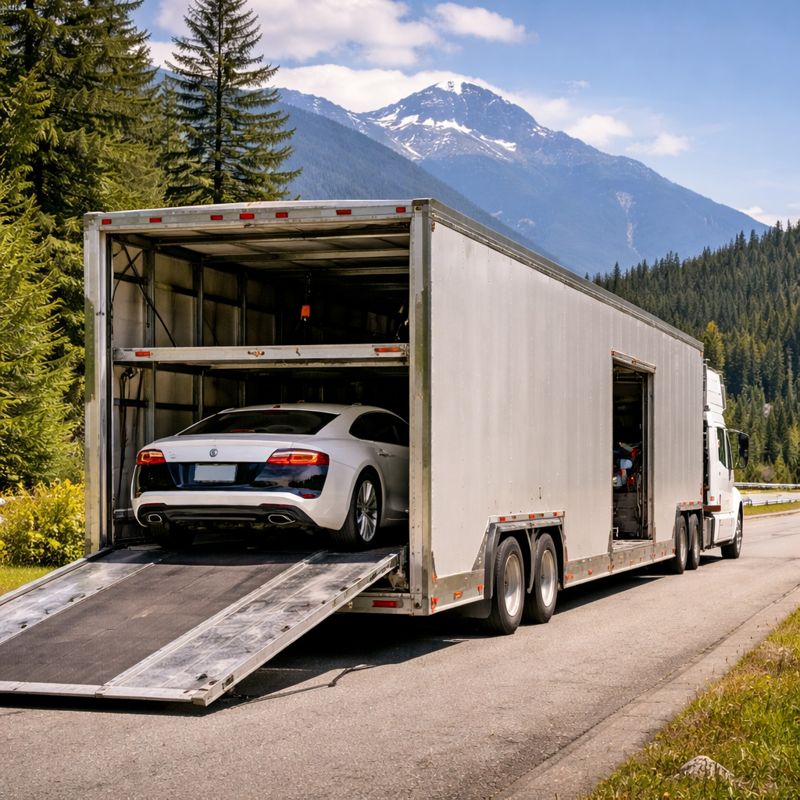
How Cross-Border Car Shipping Works
Shipping a car between the United States and Canada follows a structured process that combines domestic transport logistics with international customs procedures.
At a high level, the process includes:
1. Booking and Scheduling
Once you request a quote, your shipment is assigned to a carrier based on route availability, vehicle type, and timing. Cross-border routes often follow established freight corridors such as California to Ontario or Texas to Alberta.
2. Vehicle Pickup
Your vehicle is picked up either from your residence (door-to-door service) or a designated terminal. The driver performs a condition inspection and documents the vehicle’s current state.
3. Export and Import Coordination
Cross-border shipping requires customs coordination:
- USA → Canada: Canadian customs required
- Canada → USA: EPA & DOT compliance
4. Transportation Across the Border
Vehicles are transported via truck carriers that cross through major commercial ports of entry. Routing depends on geography, weather conditions, and border traffic patterns.
5. Final Delivery
After clearing customs, the vehicle is delivered to the destination address or terminal. A final inspection ensures the vehicle arrives in the same condition as pickup.
Customs clearance is handled during transit to minimize delays.
Cross-border shipping is highly predictable when handled correctly, but delays can occur if paperwork is incomplete or routes are affected by seasonal demand.
Open vs Enclosed Auto Transport
Choosing the right transport method is one of the most important decisions when shipping a vehicle internationally.
Open Auto Transport
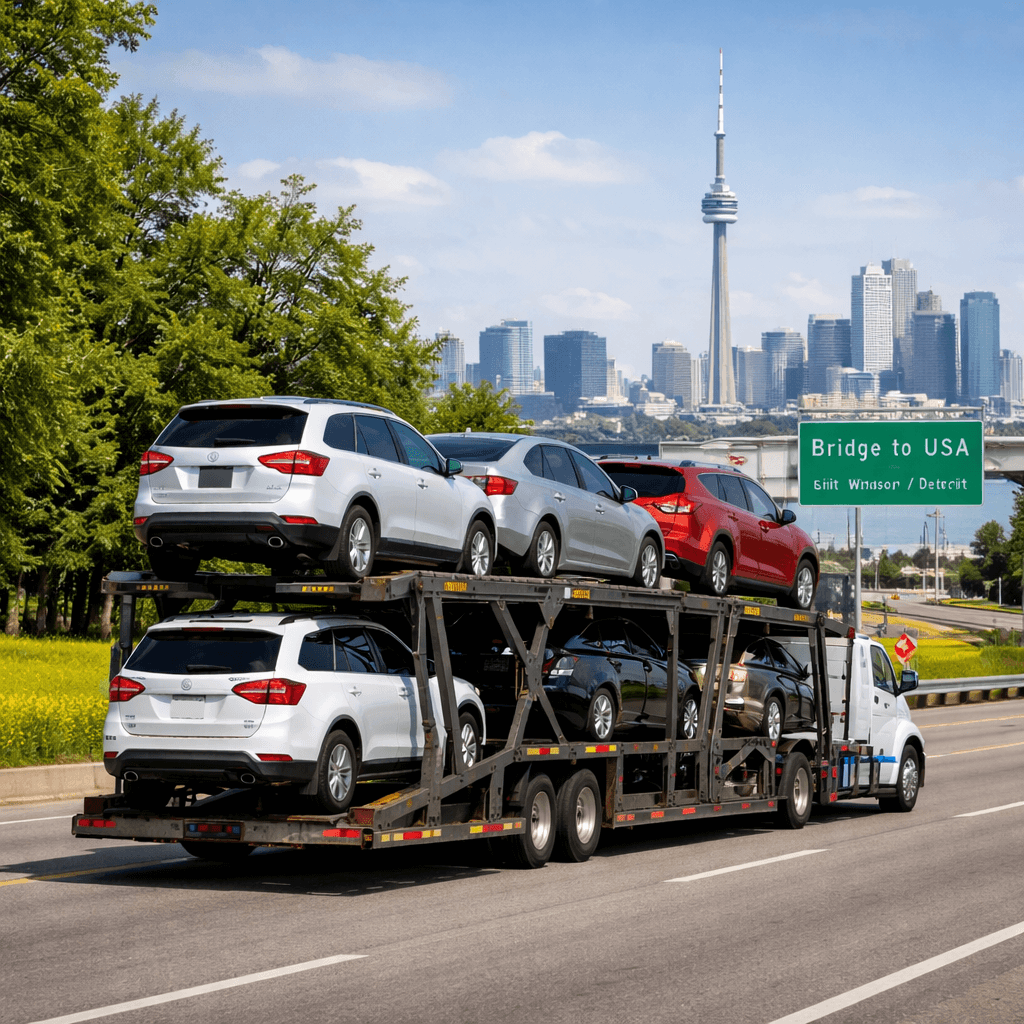
Open transport is the most common and cost-effective option. Vehicles are loaded onto open carriers, similar to those used by dealerships.
Best for:
- Standard vehicles
- Daily drivers
- Budget-conscious shipments
Advantages:
- Lower cost
- Greater carrier availability
- Faster scheduling
Considerations:
- Exposure to weather and road conditions
- Minimal risk, but visible during transport
Enclosed Auto Transport
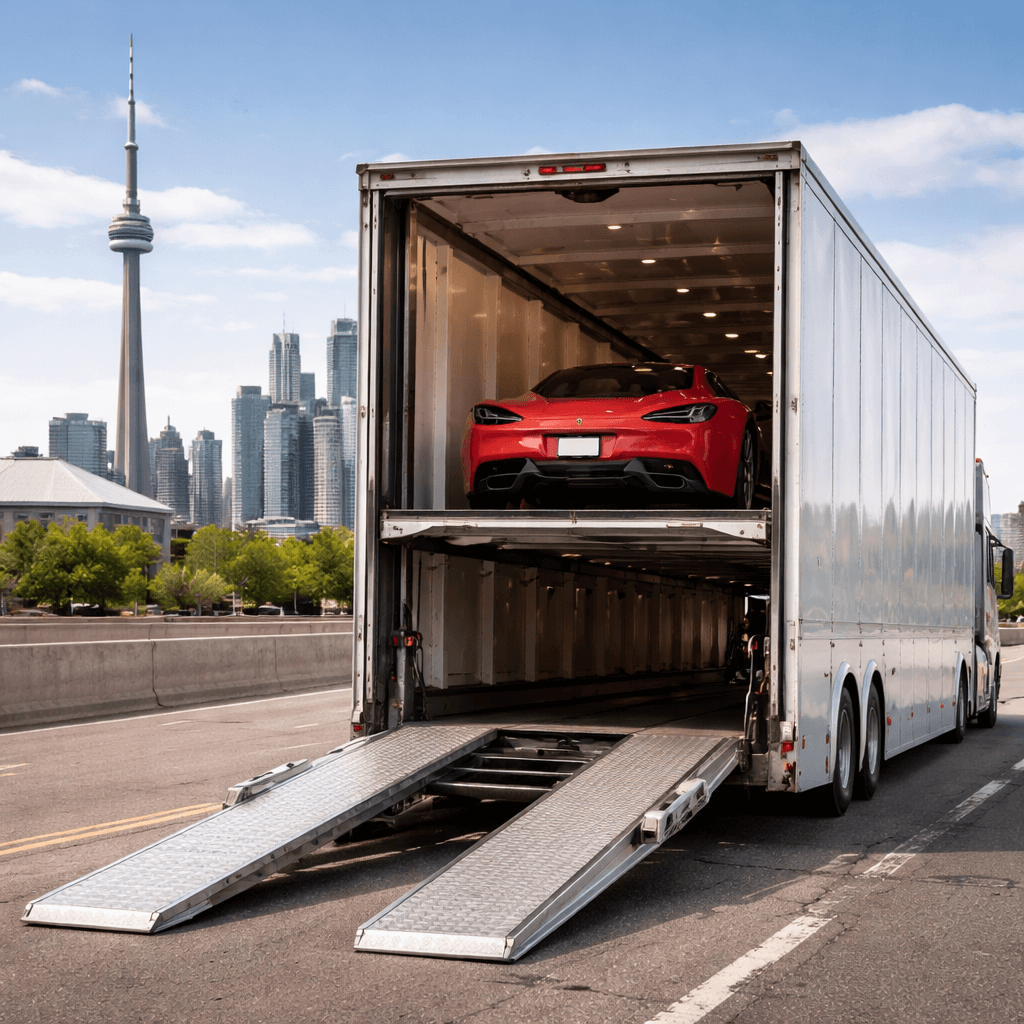
Enclosed transport provides full protection by shipping vehicles inside a covered trailer.
Best for:
- Luxury or exotic vehicles
- Classic cars
- High-value shipments
Advantages:
- Protection from weather and debris
- Added security and privacy
Considerations:
- Higher cost
- Limited availability on some routes
For most cross-border shipments, open transport is sufficient. However, enclosed transport is recommended when the value of the vehicle justifies the added protection.
Door-to-Door vs Terminal Shipping
Another key decision is how your vehicle will be picked up and delivered.
Door-to-Door Shipping
This is the most convenient option. The carrier picks up and delivers your vehicle as close as possible to your specified addresses.
Benefits:
- No need to travel to a terminal
- Saves time and effort
- Ideal for residential customers
Limitations:
- Access may be restricted in tight urban areas
- May require meeting at a nearby location if streets are narrow
Terminal-to-Terminal Shipping
With this option, vehicles are dropped off and picked up at designated shipping terminals.
Benefits:
- Lower cost in some cases
- Flexible scheduling
Limitations:
- Requires travel to terminals
- Less convenient overall
For cross-border shipping, door-to-door service is typically preferred because it simplifies coordination and reduces handling points.
Preparing a Vehicle for International Transport
Proper preparation ensures your vehicle moves smoothly through both transport and customs processes.
Clean the Vehicle
A clean vehicle allows for accurate inspection reports and makes it easier to document any pre-existing damage.
Remove Personal Items
Cross-border shipments generally prohibit personal belongings inside the vehicle. Customs inspections may require access to the interior.
Check Fluids and Battery
Ensure the vehicle is in working condition:
- Battery charged
- No fluid leaks
- Tires properly inflated
Disable Alarms and Toll Tags
Deactivate alarms and remove toll transponders to avoid unnecessary issues during transport.
Provide Required Documentation
Depending on the direction of shipment, documentation may include:
- Vehicle title
- Bill of sale
- Identification
- Customs forms
Missing or incorrect paperwork is one of the most common causes of delays.
Popular Car Shipping Routes Between the US and Canada
Certain routes see higher demand due to population centers, seasonal travel, and business activity.
West Coast Routes
- California ↔ British Columbia
- Washington ↔ Vancouver
These routes are popular for relocations and imports, with frequent carrier availability.
Central Routes
- Texas ↔ Alberta
- Midwest ↔ Saskatchewan
Longer distances but strong demand due to economic activity and relocations.
👉 Learn more about shipping on this route:
- Texas → Canada via ship a car from Texas to Canada
(/states/texas/)
Eastern Routes
- New York ↔ Ontario
- Florida ↔ Ontario (snowbird traffic)
These routes are among the busiest due to high population density and seasonal migration.
👉 Example route:
- Alberta → United States via shipping a car from Alberta to the United States
(/provinces/alberta/)
High-volume routes tend to have:
- Lower pricing
- Faster transit times
- More flexible scheduling
Common Mistakes When Shipping a Vehicle Across the Border
Avoiding these mistakes can save time, money, and frustration.
1. Incomplete Documentation
Missing paperwork can delay shipments at the border or even result in denied entry.
2. Choosing the Cheapest Option
Low pricing can sometimes indicate unreliable carriers or limited service quality.
3. Waiting Until the Last Minute
Cross-border shipments require coordination. Booking early ensures better pricing and availability.
4. Not Understanding Customs Requirements
Each country has specific import/export rules. Misunderstanding them can lead to unexpected fees or delays.
5. Leaving Items Inside the Vehicle
Personal belongings may be removed during inspection or cause compliance issues.
6. Ignoring Seasonal Factors
Winter conditions, especially in northern routes, can impact transit times and carrier availability.
Planning ahead and working with experienced providers reduces the risk of these issues.
Frequently Asked Questions About Car Shipping
🚀 CTA: Get an Instant Car Shipping Quote
Ready to ship your vehicle between the United States and Canada?
Get a fast, accurate quote based on your route, vehicle type, and timeline.
Real humans, not brokers