
Ship a Car to/from North Carolina & Canada
Serving North Carolina with cross-border auto transport that includes full customs handling for vehicles moving between the U.S. and Canada.
From Raleigh and Charlotte to destinations like Ontario and Quebec, vehicles are moved door to door along established long-haul corridors connecting the Southeast to Eastern Canada. Routing accounts for North Carolina’s inland geography and seasonal weather patterns, while all export and import customs clearance is managed as part of the transport process.
🛡️ Fully Licensed (MC #676789)
📦 Open & Enclosed Vehicle Transport Available
Fast turnaround · No hidden fees · Cross-border specialists since 1985

⭐ 191+ Google Reviews — 4.6 Rating
🚚 100,000+ Cars Shipped Since 1985
🛃 Full Customs Handling (CAN/USA)
🕒 Same-Day Drop-Off Available
North Carolina ↔ Canada Auto Transport Overview
Vehicles are commonly shipped between North Carolina and Canada for reasons tied to relocation, extended seasonal stays, and cross-border vehicle purchases. Retirees relocating south, professionals moving for work, and buyers sourcing specific models from Canadian markets often opt to transport rather than drive long distances. These moves usually involve permanent address changes or multi-month stays that make vehicle shipping the practical option.
Transport flows in both directions, including vehicles moving from cities like Toronto or Montreal into North Carolina, as well as shipments departing from Charlotte or Raleigh bound for Canada. Each direction involves different documentation depending on where the vehicle is registered and how long it will remain in the destination country. Delivery planning is based on the final address rather than border proximity alone. For complete trusted US–Canada vehicle shipping services, visit our main US Canada Auto Transport page.
North Carolina routes stand out due to the longer distance from the Canadian border and the transition between northern and southern climates. Transit planning must account for extended highway mileage, regional weather shifts, and timing around peak seasonal relocations. These factors influence carrier availability and scheduling in ways not seen in border-adjacent states.
Popular North Carolina Car Shipping Destinations
Certain areas in North Carolina are frequently used for cross-border vehicle transport due to their highway connectivity, population density, and access to long-haul carrier routes linking the Southeast to Canada.
Charlotte Metro Area
Charlotte serves as a primary hub, with nearby cities such as Concord, Gastonia, Huntersville, and Matthews commonly included in pickup and delivery routes. The area’s position along major north–south interstates allows carriers to consolidate loads efficiently before continuing toward Canadian corridors. This concentration of traffic supports more flexible scheduling compared to less centralized regions.
Research Triangle Region
The Raleigh–Durham area, including Chapel Hill and Cary, follows a different routing pattern tied to its inland location and business-driven demand. Carriers often coordinate Triangle shipments as part of longer Southeast-to-Northeast runs rather than standalone routes. Timing here can depend on how shipments align with freight moving through Virginia and the Mid-Atlantic.
Statewide and Rural Access
Service extends beyond metro areas to smaller towns, agricultural regions, and mountain communities across North Carolina. These locations may require adjusted pickup windows or nearby meeting points based on road access and carrier availability. Routing feasibility is evaluated case by case to ensure safe access without disrupting cross-border transit schedules.
Transport Options for Shipping Cars Between North Carolina & Canada
When shipping vehicles between North Carolina and Canada, customers have the option to use either open or enclosed transport. The best choice depends on factors such as the type of vehicle, the level of protection required during transit, timing, and budget constraints. Each method has distinct characteristics that affect how vehicles are handled and scheduled along long-distance, cross-border routes.
Open Transport vs. Closed Transport Options

Open Transport
Common Use Cases: Open carriers are often used for standard passenger vehicles, SUVs, and trucks that can handle exposure to weather. Seasonal relocations or long-distance moves from Charlotte or Raleigh to Canadian cities like Toronto or Montreal typically rely on open transport.
Cost Considerations: Open transport generally costs less than enclosed options because multiple vehicles share the same carrier, reducing per-vehicle fees. This makes it practical for customers looking to move standard cars without added protection.
Availability / Frequency: High-volume corridors connecting North Carolina to Canada support frequent open transport runs. Regular schedules make it easier to coordinate pickups and deliveries across major highways while accommodating seasonal weather variations in the region.
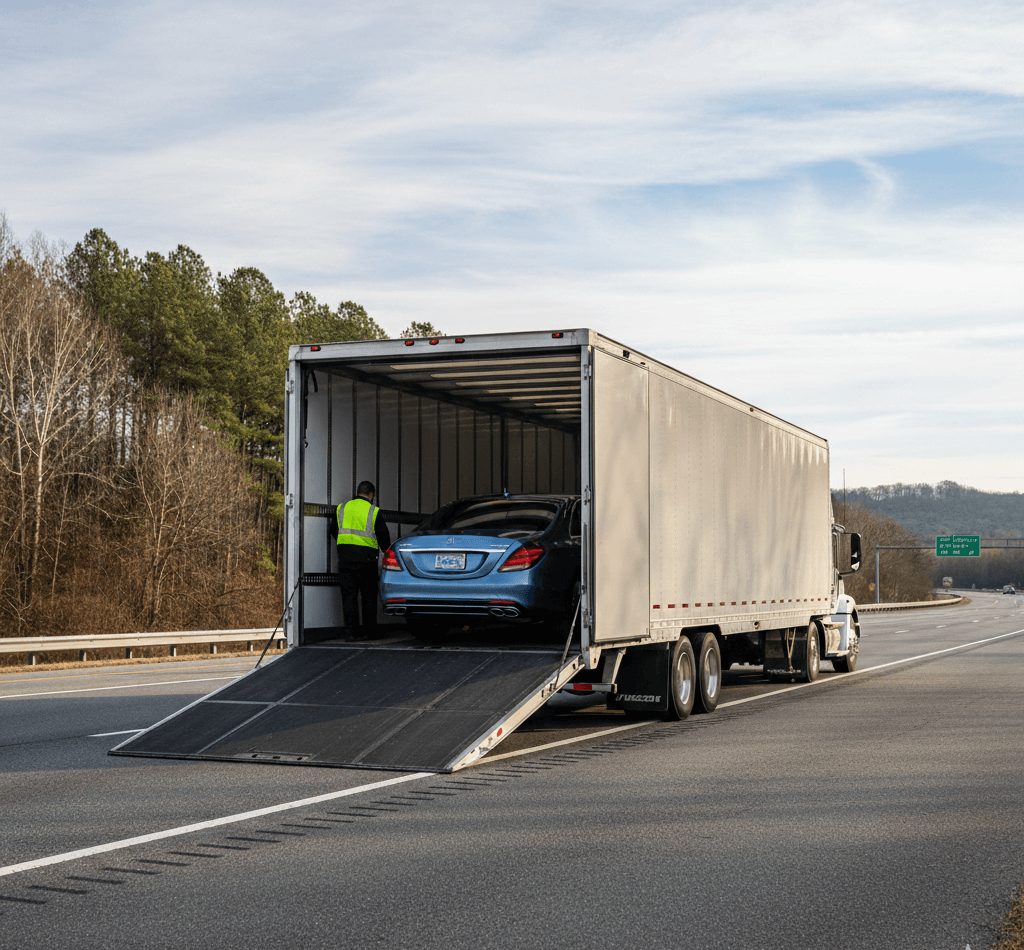
Closed Transport
Protection Level: Enclosed carriers shield vehicles from rain, snow, debris, and road salt, offering a controlled environment during long-distance transit. This is particularly important for moves that involve the mountainous or coastal areas of North Carolina.
Typical Vehicle Types: High-end, luxury, classic, or specialty vehicles are commonly transported in enclosed carriers. Owners shipping vehicles from Charlotte, Raleigh, or smaller North Carolina towns often choose this option to maintain the vehicle’s condition.
Tradeoffs: Enclosed transport comes at a higher cost and may have more limited scheduling options. Planning is required to ensure carriers are available along cross-border routes while meeting timing needs.
Both open and enclosed transport options are available for vehicles moving between North Carolina and Canada. The appropriate choice depends on the type of vehicle being shipped and the level of protection, scheduling flexibility, and cost considerations that matter most to the customer.
North Carolina ↔ Canada Auto Transport Pricing
| From | To | Starting Price (USD) |
|---|---|---|
| Montreal | Raleigh | 1,675+ |
| Ottawa | Raleigh | 1,675+ |
| Toronto | Raleigh | 1,475+ |
| Winnipeg | Raleigh | 2,250+ |
| Regina | Raleigh | 2,450+ |
| Saskatoon | Raleigh | 2,450+ |
| Edmonton | Raleigh | 2,450+ |
| Calgary | Raleigh | 2,450+ |
| Vancouver | Raleigh | 2,450+ |
| Montreal | Charlotte | 1,675+ |
| Ottawa | Charlotte | 1,675+ |
| Toronto | Charlotte | 1,475+ |
| Winnipeg | Charlotte | 2,250+ |
| Regina | Charlotte | 2,450+ |
| Saskatoon | Charlotte | 2,450+ |
| Edmonton | Charlotte | 2,450+ |
| Calgary | Charlotte | 2,450+ |
| Vancouver | Charlotte | 2,450+ |
| Montreal | Greensboro | 1,675+ |
| Ottawa | Greensboro | 1,675+ |
| Toronto | Greensboro | 1,475+ |
| Winnipeg | Greensboro | 2,250+ |
| Regina | Greensboro | 2,450+ |
| Saskatoon | Greensboro | 2,450+ |
| Edmonton | Greensboro | 2,450+ |
| Calgary | Greensboro | 2,450+ |
| Vancouver | Greensboro | 2,450+ |
| Montreal | Durham | 1,675+ |
| Ottawa | Durham | 1,675+ |
| Toronto | Durham | 1,475+ |
| Winnipeg | Durham | 2,250+ |
| Regina | Durham | 2,450+ |
| Saskatoon | Durham | 2,450+ |
| Edmonton | Durham | 2,450+ |
| Calgary | Durham | 2,450+ |
| Vancouver | Durham | 2,450+ |
| Montreal | Winston-Salem | 1,675+ |
| Ottawa | Winston-Salem | 1,675+ |
| Toronto | Winston-Salem | 1,475+ |
| Winnipeg | Winston-Salem | 2,250+ |
| Regina | Winston-Salem | 2,450+ |
| Saskatoon | Winston-Salem | 2,450+ |
| Edmonton | Winston-Salem | 2,450+ |
| Calgary | Winston-Salem | 2,450+ |
| Vancouver | Winston-Salem | 2,450+ |
| Montreal | Jacksonville | 1,775+ |
| Ottawa | Jacksonville | 1,775+ |
| Toronto | Jacksonville | 1,575+ |
| Winnipeg | Jacksonville | 2,350+ |
| Regina | Jacksonville | 2,550+ |
| Saskatoon | Jacksonville | 2,550+ |
| Edmonton | Jacksonville | 2,550+ |
| Calgary | Jacksonville | 2,550+ |
| Vancouver | Atlanta | 2,550+ |
| Montreal | Fayetteville | 1,675+ |
| Ottawa | Fayetteville | 1,675+ |
| Toronto | Fayetteville | 1,475+ |
| Winnipeg | Fayetteville | 2,250+ |
| Regina | Fayetteville | 2,450+ |
| Saskatoon | Fayetteville | 2,450+ |
| Edmonton | Fayetteville | 2,450+ |
| Calgary | Fayetteville | 2,450+ |
| Vancouver | Fayetteville | 2,450+ |
| Montreal | Cary | 1,675+ |
| Ottawa | Cary | 1,675+ |
| Toronto | Cary | 1,475+ |
| Winnipeg | Cary | 2,250+ |
| Regina | Cary | 2,450+ |
| Saskatoon | Cary | 2,450+ |
| Edmonton | Cary | 2,450+ |
| Calgary | Cary | 2,450+ |
| Vancouver | Cary | 2,450+ |
| Montreal | High Point | 1,675+ |
| Ottawa | High Point | 1,675+ |
| Toronto | High Point | 1,475+ |
| Winnipeg | High Point | 2,250+ |
| Regina | High Point | 2,450+ |
| Saskatoon | High Point | 2,450+ |
| Edmonton | High Point | 2,450+ |
| Calgary | High Point | 2,450+ |
| Vancouver | High Point | 2,450+ |
| Montreal | Concord | 1,675+ |
| Ottawa | Concord | 1,675+ |
| Toronto | Concord | 1,475+ |
| Winnipeg | Concord | 2,250+ |
| Regina | Concord | 2,450+ |
| Saskatoon | Concord | 2,450+ |
| Edmonton | Concord | 2,450+ |
| Calgary | Concord | 2,450+ |
| Vancouver | Concord | 2,450+ |
| Montreal | Gastonia | 1,675+ |
| Ottawa | Gastonia | 1,675+ |
| Toronto | Gastonia | 1,475+ |
| Winnipeg | Gastonia | 2,250+ |
| Regina | Gastonia | 2,450+ |
| Saskatoon | Gastonia | 2,450+ |
| Edmonton | Gastonia | 2,450+ |
| Calgary | Gastonia | 2,450+ |
| Vancouver | Gastonia | 2,450+ |
* Starting prices are estimates. Actual cost varies by vehicle size, timing, route, and duties/taxes.
Shipping rates reflect factors unique to North Carolina, such as longer inland distances from Charlotte or Raleigh to Canadian border crossings and the need to coordinate carriers along major interstates. Seasonal traffic and the availability of transport along these northbound corridors also influence how costs are structured for vehicles moving to or from the state.
How the North Carolina ↔ Canada Car Shipping Process Works
Shipping a vehicle between North Carolina and Canada involves coordinated scheduling, careful routing, and door-to-door delivery, with full handling of cross-border customs to simplify the process for the customer.
Step 1: Request a Quote
Get a free, no-obligation quote based on your vehicle, route, timing, and transport preference. Pricing includes logistics planning and cross-border coordination.
Step 2: Schedule Pickup
Carriers in North Carolina offer flexible pickup windows to accommodate both urban areas like Charlotte and Raleigh and surrounding towns, ensuring routing aligns with available long-haul transport lanes.
Step 3: Vehicle Inspection & Preparation
Your vehicle is inspected at pickup and documented for condition. We’ll guide you on simple preparation steps to ensure a smooth transport.
Step 4: Cross-Border Transport & Customs
We handle all required customs paperwork and border coordination while your vehicle is transported safely across the U.S.–Canada border.
Step 5: Door-to-Door Delivery
Your vehicle is delivered to its destination, where a final inspection confirms it arrives in the same condition as pickup.
Our team oversees all coordination, documentation, and logistics throughout the entire shipping process.
Reviews from North Carolina-Bound Customers
Customers who have arranged vehicle shipments to or from North Carolina often note experiences navigating routes from cities like Charlotte or Raleigh to Canadian destinations and the coordination involved in cross-border deliveries.



North Carolina ↔ Canada Auto Transport FAQs
This FAQ section addresses practical questions about vehicle shipping from and to North Carolina, including logistics, border procedures, and typical transit timing.
Shipments from North Carolina frequently connect into Eastern Canada through established lanes serving Ontario vehicle destinations, where major border crossings support steady cross-border flow. Northbound routes often stage through the Mid-Atlantic, making Virginia transit corridors a practical link for consolidating carriers before continuing into Canada.
Get a North Carolina ↔ Canada Shipping Quote
No hidden fees
Full customs handling
Real humans, not brokers