
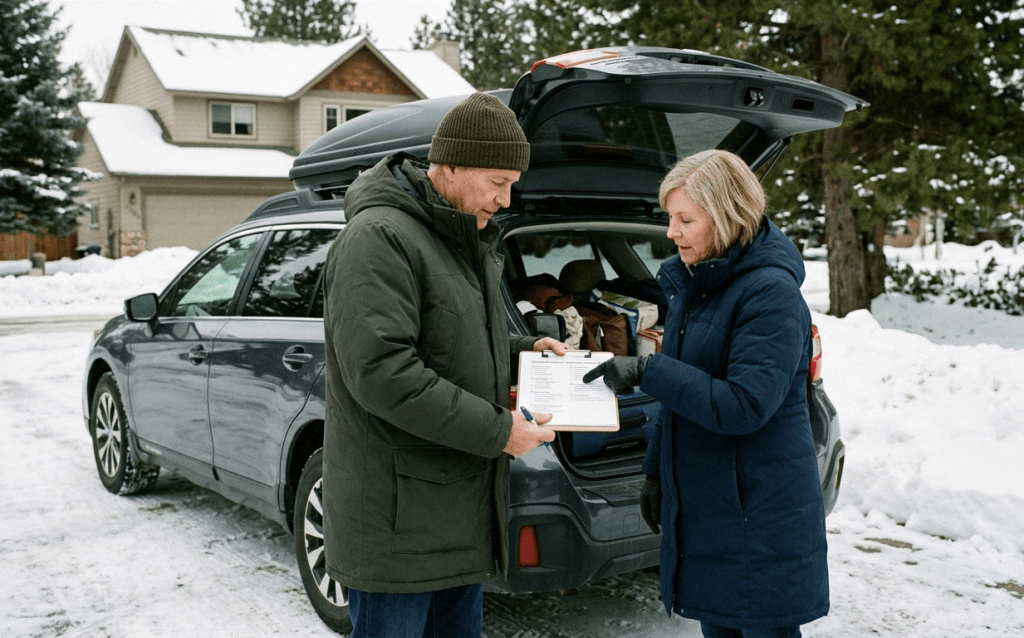
Heading south for the winter should feel exciting, not stressful. As a snowbird, shipping your vehicle instead of driving the long distance saves time, reduces wear on your car, and lets you avoid unpredictable road conditions. A solid preparation plan makes all the difference between a seamless experience and last-minute headaches.
Use this snowbird vehicle transport checklist to organize your paperwork, ready your car for pickup, confirm insurance details, plan delivery, and sidestep common pitfalls. Following these steps helps ensure your vehicle arrives safely at your winter destination.
1. Paperwork to Gather Before Your Move South
Start by collecting every document the transport company and border officials may need. For cross-border shipments from Canada to the U.S. (or vice versa), missing paperwork causes delays or extra fees.
Gather these essentials:
- Original vehicle title or a clear copy (some carriers accept copies, but keep the original accessible)
- Current registration papers
- Valid proof of insurance for the transport period
- Your driver’s license and passport (or other acceptable ID for border crossing)
- Bill of lading once the carrier provides it
- Any power of attorney if someone else will handle pickup or delivery on your behalf
For temporary imports into the U.S., you may also need CBP Form 3299 (Declaration for Free Entry of Unaccompanied Articles). Experienced cross-border specialists like US Canada Auto Transport handle much of the customs coordination, but you still supply the core documents.
Practical tip: Scan or photograph everything and store digital copies in your phone or cloud. Print a second set to keep in a folder you hand to the driver. Double-check expiration dates now—renew anything that lapses during your southern stay. This small effort prevents surprises at the border or during delivery.
For more details on the full process, read our snowbird car transport guide.
2. How to Prepare the Vehicle for Pickup
A clean, well-prepared vehicle speeds up inspection and protects against disputes over pre-existing damage.
Follow this preparation sequence:
- Wash the exterior thoroughly so the driver can clearly see any existing scratches, dents, or dings. Clean the interior too—vacuum carpets and wipe surfaces.
- Take dated, high-resolution photos from every angle: all four sides, front and rear close-ups, wheel wells, roof, and undercarriage if accessible. Include interior shots of the dashboard, seats, and trunk.
- Remove all personal belongings. Auto transport insurance does not cover items left inside the vehicle. Even small items like phone chargers or toll tags can create issues.
- Leave only about ¼ tank of fuel. This reduces weight while ensuring the driver can move the vehicle if needed. For electric vehicles, aim for 45–65% charge.
- Check tire pressure, fluid levels (except fuel), and battery condition. Fix any obvious leaks—carriers often refuse vehicles that drip fluids.
- Secure or remove loose accessories: fold in side mirrors, retract antennas, remove bike racks or roof boxes, and disable toll tags or alarms that could activate in transit.
Practical insight: Walk around the vehicle with the driver during pickup and note any observations on the bill of lading. If something looks off, speak up immediately. A few minutes of careful preparation can save you from unnecessary claims later.
3. Insurance and Registration Items to Confirm
Confirm your vehicle remains properly insured during transport. Most carriers provide transit insurance, but it usually covers only the vehicle itself up to a certain limit. Review your personal auto policy to understand what it covers while the car is on a truck.
Ask your transport provider these key questions:
- What is the exact insurance coverage amount and what does it include?
- Are there any deductibles?
- How do I file a claim if needed?
For cross-border moves, verify that your Canadian or U.S. registration remains valid for the entire period. Some provinces and states require temporary permits or notifications when the vehicle leaves the home jurisdiction.
Tip: If you store your car for part of the year or change provinces/states seasonally, update your address with the DMV or provincial registry early. This keeps your registration current and avoids complications when you return north.
Reliable carriers maintain full licensing and insurance, giving you peace of mind that professionals manage every detail.
4. Delivery Planning at Your Winter Destination
Delivery goes smoother when you plan ahead. Decide whether you want door-to-door service or terminal-to-terminal (often more affordable but requires you to pick up at a depot).
Provide clear delivery instructions:
- Exact address with gate codes, parking restrictions, or HOA rules
- Preferred delivery window (many carriers offer a 1–3 day range)
- Contact person if you will not be there personally
- Any special access needs, such as low clearance or tight driveways
At your southern home, arrange for someone to receive the vehicle if you fly in later. Confirm parking space is available and clear of snow, construction, or other obstacles.
Insight: Build a small buffer into your schedule. Peak snowbird season (late fall southbound, early spring northbound) sees higher demand, so flexible dates help avoid rushed or delayed deliveries. Once the vehicle arrives, inspect it thoroughly with the driver before signing off. Compare it to your pre-shipment photos.
Get a cross-border car shipping quote to get you started.
5. Mistakes Snowbirds Should Avoid Before Transport Day
Even experienced snowbirds run into avoidable issues. Here are the top pitfalls and how to dodge them:
- Waiting too long to book — Demand spikes in October–November and March–April. Booking 4–6 weeks ahead secures better rates and preferred pickup windows.
- Leaving personal items in the car — This is the most common mistake. Everything left behind risks damage or loss without coverage.
- Skipping the photo documentation — Without clear before pictures, proving new damage becomes difficult.
- Ignoring fluid leaks or mechanical warnings — Carriers may reject the vehicle at pickup, forcing last-minute repairs or rescheduling.
- Assuming your everyday insurance fully covers transport — Always confirm transit-specific coverage.
- Providing vague pickup or delivery addresses — Incomplete instructions lead to extra fees or missed appointments.
Another frequent error: underestimating customs requirements for cross-border moves. Working with a specialist who routinely handles Canada–U.S. routes eliminates most of this stress.
By avoiding these mistakes, you protect both your vehicle and your wallet.
For additional snowbird transport resources, explore our hub page.
Final Checklist Summary
Print or save this quick list:
- Paperwork folder ready
- Vehicle washed and photographed
- Personal items removed
- Fuel at ¼ tank
- Insurance and registration confirmed
- Delivery address and contact details provided
- Buffer days built into schedule
When everything lines up, your car arrives safely, and you can focus on enjoying warmer weather instead of worrying about logistics.
At US Canada Auto Transport, we specialize in cross-border snowbird moves with over 40 years of experience and terminals across both countries. Our team manages customs paperwork, provides transparent quotes, and delivers reliable door-to-door service so you can travel with confidence.
Ready to simplify your seasonal move?
6. Frequently Asked Questions
How far in advance should I book snowbird vehicle transport? Book 4–6 weeks ahead during peak seasons for the best availability and pricing. Earlier is always better for popular routes.
Can I leave anything in my car during transport? Only the spare tire and jack in most cases. Remove all personal belongings, as they are not covered by transport insurance.
What type of transport is best for snowbirds—open or enclosed? Open transport works well for most standard vehicles and offers good value. Choose enclosed for luxury, classic, or new cars you want extra protection from the elements.
Do I need special documents for Canada–U.S. border crossing? Yes—title/registration, proof of insurance, ID/passport, and possibly CBP forms. Experienced carriers assist with coordination.
How long does snowbird car shipping typically take? Transit times vary by distance but usually range from 5–14 days. Cross-border moves include customs clearance, so plan accordingly.
What if my car has a minor mechanical issue? Notify the carrier in advance. Many will still transport running vehicles, but major leaks or non-drivable conditions may require different arrangements.